



Interested in our services
Contact our experts to provide further information




Peptides are short-chain molecules composed of amino acids linked by peptide bonds, typically containing fewer than 50 amino acids. They are important signaling and regulatory molecules in living systems. Abundant endogenous peptides are present in the human body, serving not only as dynamic fingerprints of protein metabolism but also as key regulators of immune, neural, and endocrine functions. They are often regarded as “invisible messengers of life.”
Peptides are also widely distributed in the tissues and cells of most plants. To date, more than 30 plant peptide families have been identified, demonstrating substantial potential for crop breeding and improvement.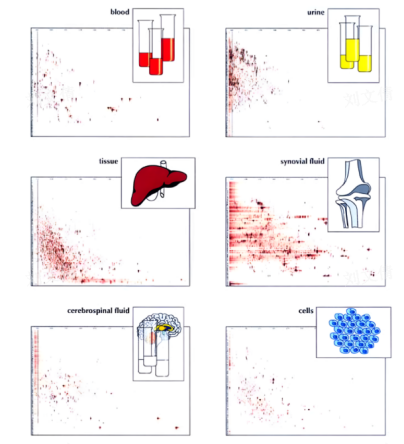
Figure 1. Abundant endogenous peptides are present in human body fluids, cells, and tissues.
Peptidomics plays an important role in multi-omics research. It complements proteomics and serves as a key bridge between proteomics and metabolomics. Peptidomic analysis facilitates a deeper understanding of protease function and proteolytic processing, the discovery of biologically relevant peptide biomarkers, and the screening of bioactive therapeutic candidates.
Leveraging Thermo Fisher high-throughput, high-accuracy mass spectrometry platforms—including Orbitrap Astral, Q Exactive, Q Exactive Plus, HF-X, and Lumos—PTM BIO delivers high-quality peptidomics services.
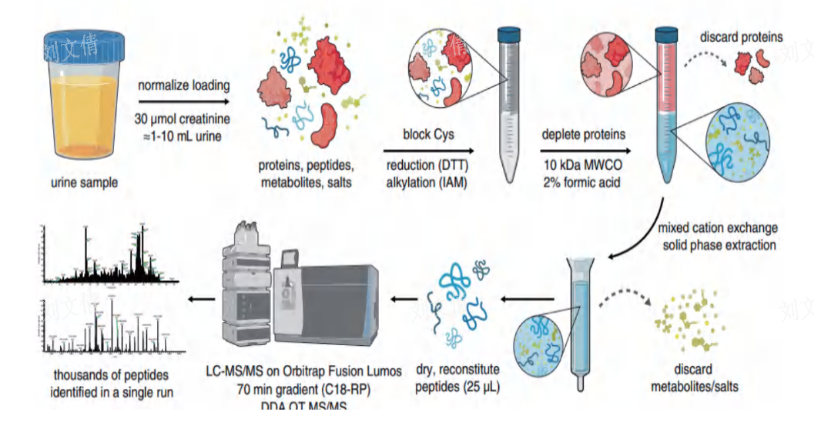
Figure 2. Example Peptidomics Workflow for Urine Samples
Thermo Scientific Orbitrap Astral
Thermo Fisher QE
Thermo Fisher QEplus
Thermo Fisher HF-X
Thermo Fisher Lumos
Because peptides are present at extremely low abundance, high-throughput, deep-coverage peptidomics analysis remains technically challenging. Conventional peptidomics workflows often face limitations in peptide enrichment, identification depth, and downstream validation, which have constrained in-depth peptide research. Through a series of technical optimizations, PTM BIO has developed differentiated peptidomics services. Built on four core technological advances, these services expand the scope of peptide research and biological information.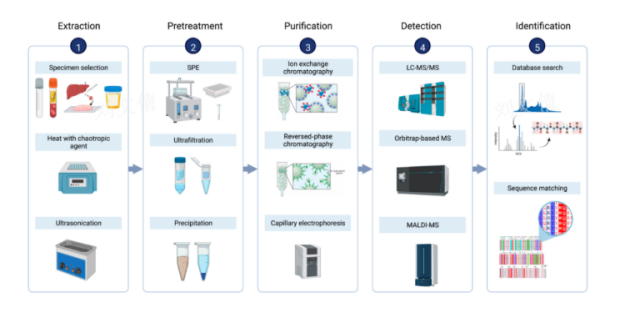
Figure 3. Conventional Experimental Workflow for Peptidomics Analysis
Conventional ultrafiltration methods often provide low recovery and may result in peptide adsorption, whereas precipitation-based methods can lead to the loss of longer peptides and offer limited sensitivity. PTM BIO has developed specialized peptide-enrichment strategies:
For blood samples, nanomaterial-based selective enrichment of serum peptides improves the capture efficiency of high-molecular-weight peptides by more than fourfold.
For plant samples, a combined ultrafiltration strategy based on hydrophobicity and molecular weight significantly enhances peptide enrichment performance.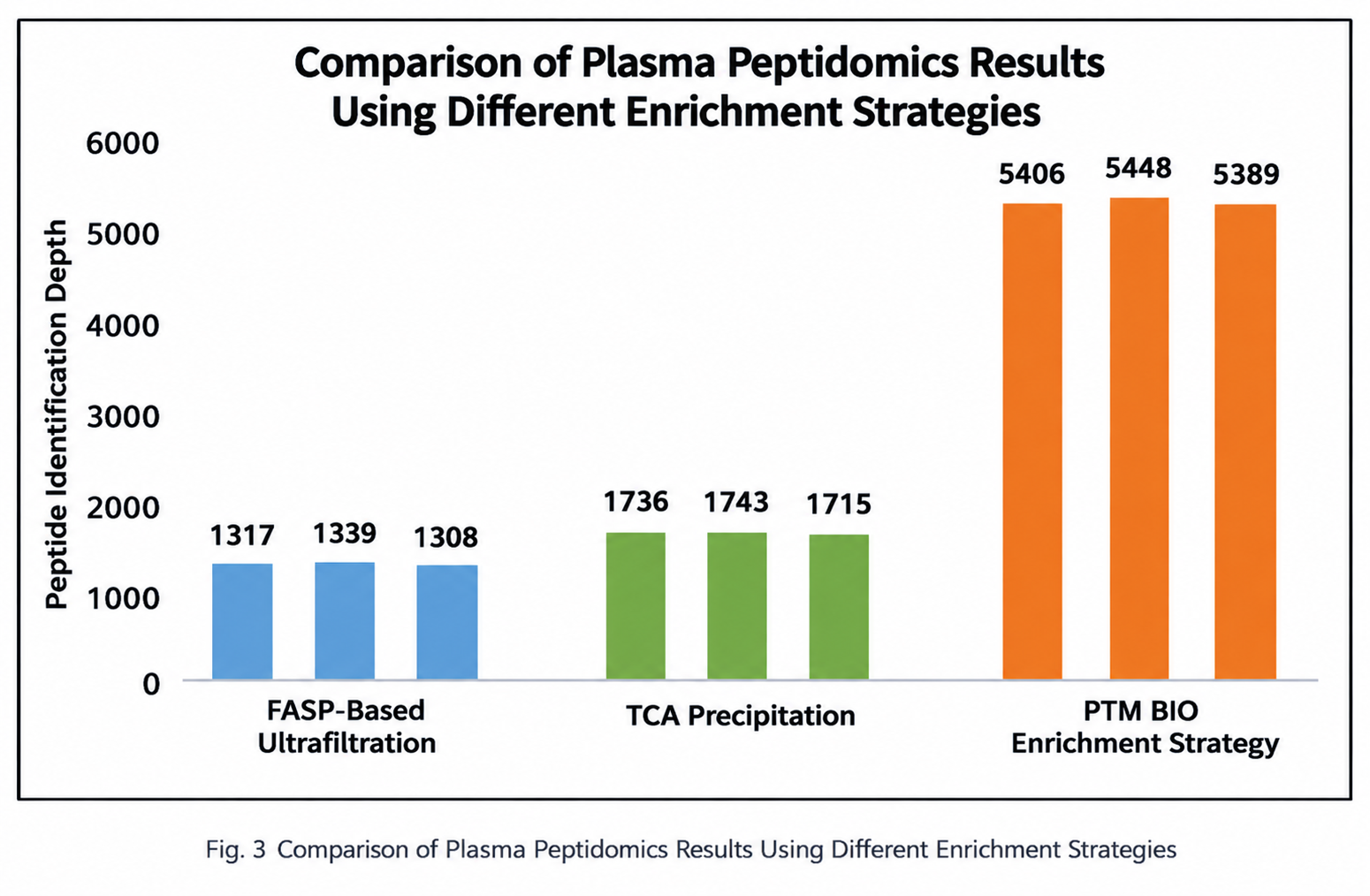
Figure 4. Comparison of Results Obtained Using Conventional Methods and the PTM Bio Enrichment Strategy.
To address the limited identification depth of conventional peptidomics workflows, PTM BIO leverages the industry-leading Orbitrap Astral mass spectrometry platform. Its ultrahigh sensitivity, mass resolution, and acquisition speed enable accurate identification of low-abundance peptides with exceptional confidence while substantially increasing analytical depth. For example, more than 6,000 endogenous peptides can be identified from a single plant sample—representing a 1- to 2-fold improvement over conventional methods.
Conventional peptide database searches are challenging because amino acids at peptide N- and C-termini are highly variable. This creates a large, redundant search space and increases the risk of false identifications. PTM BIO employs an innovative search strategy that uses transcriptome- or genome-derived small open reading frame (smORF)-encoded peptide databases, improving the accuracy and efficiency of peptidomics analysis and facilitating the discovery of novel peptides.
Peptide validation presents another major challenge in peptidomics research. Conventional ELISA-based validation is limited by the availability of suitable antibodies, whereas targeted mass spectrometry may lack sufficient sensitivity. PTM BIO combines PRM/MRM-targeted mass spectrometry with custom antibody development to provide a dual validation strategy, supporting a seamless workflow from discovery through validation.
Clinical Applications
Peptidomics can support:
1. The identification of biomarkers for disease diagnosis and treatment.
2. The discovery of novel bioactive peptides, including neuropeptides and immunopeptides.
3. The development of neoantigen vaccines and next-generation peptide therapeutic candidates.
Plant Research Applications
Peptidomics can be used to:
1. Identify peptides that play key regulatory roles in plant growth, development, and stress responses.
2. Support crop improvement through targeted knockdown, knockout, or overexpression of peptide-encoding genes to enhance stress resilience and improve yield.
With continued technological advances, peptidomics is evolving from an emerging research field into an increasingly important tool for clinical translation. From early cancer detection and the diagnosis and treatment of neurological disorders to precision agriculture, peptidomics is becoming a key driver of transformative innovation.
1. Disease Diagnosis: From Treatment to Prevention
Early Cancer Detection: Blood-based tumor biomarkers such as CYFRA 21-1 and CA 19-9 provide valuable support for the early detection of lung and pancreatic cancers.
Neurodegenerative Disorders: Plasma peptides, including fibrinogen β-chain–derived peptides, identified in patients with Alzheimer’s disease may provide important molecular evidence for early intervention (Nature, 2018).
2. Peptide Drug Development
More than 100 peptide therapeutics have been approved worldwide, spanning therapeutic areas such as diabetes and oncology. PTM BIO combines exploratory peptidomics discovery with a dualvalidation strategy to accelerate end-to-end research from peptide discovery to therapeutic translation.
1. Yang W, et al. 2024. Peptide REF1 is a local wound signal promoting plant regeneration. Cell.
2. Zhang Z, et al. 2024. SCOOP10 and SCOOP12 peptides act through MIK2 receptor-like kinase to antagonistically regulate Arabidopsis leaf senescence. Mol Plant.
3. Yu Y, et al. 2025. A Zea genus-specific micropeptide controls kernel dehydration in maize. Cell.
4. Zhou Y, et al. 2024. Tumor biomarkers for diagnosis, prognosis and targeted therapy. Signal Transduct Target Ther.
5. Nakamura A, et al. 2018. High performance plasma amyloid-β biomarkers for Alzheimer's disease. Nature.
Interested in our services
Contact our experts to provide further information