



Interested in our services
Contact our experts to provide further information




Proteomics and PTMomics are key drivers of the post-genomic era and precision medicine, providing continuous momentum for the advancement of life sciences and basic medical research. With the rapid development of ultra-high-sensitivity mass spectrometry technologies and the continuous deepening of scientific research, proteomics and PTMomics are entering a new era characterized by deeper coverage, continuous innovation, and higher analytical resolution.
PTM BIO’s Proteomics and PTMomics technologies are built on major performance advances enabled by next-generation high-resolution mass spectrometry platforms, including Orbitrap Astral and timsTOF HT. By integrating automated sample preparation, PTM-specific antibody development, modified peptide enrichment, deep learning–based spectral libraries, and other advanced technologies, the platform delivers substantial improvements in identification depth, analytical accuracy, and sample throughput.
Under the Proteomics platform, PTM BIO provides two dedicated proteomics solutions: Enhanced Discovery Proteomics and Deep Insight Proteomics. Enhanced Discovery Proteomics is optimized for robust, high-throughput proteome discovery, while Deep Insight Proteomics is designed for deeper proteome coverage and more comprehensive biological interpretation. Together, they provide flexible solutions for discovery-driven research, mechanism exploration, and biomarker studies.
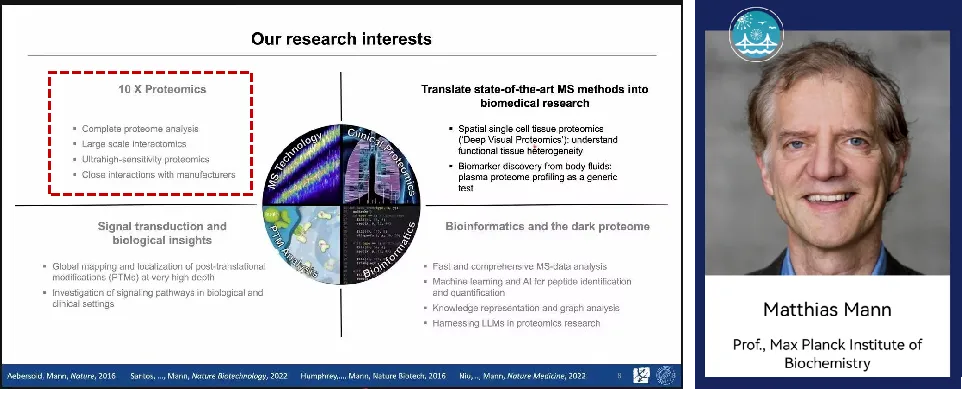
Proteomics is designed to break through the limitations of conventional proteomics workflows, enabling high-throughput, deep-coverage quantitative proteomics at an unprecedented scale.
With the capability to analyze 1,000,000+ proteins from 100+ samples in a single day,greatly accelerates large-scale proteome research.
Powered by next-generation high-resolution mass spectrometry with nearly 10-fold improvements in scan speed and resolution, the platform delivers up to 10-fold higher detection sensitivity than conventional approaches, making it ideal for single-cell proteomics, spatial proteomics, and other low-input proteomics applications.
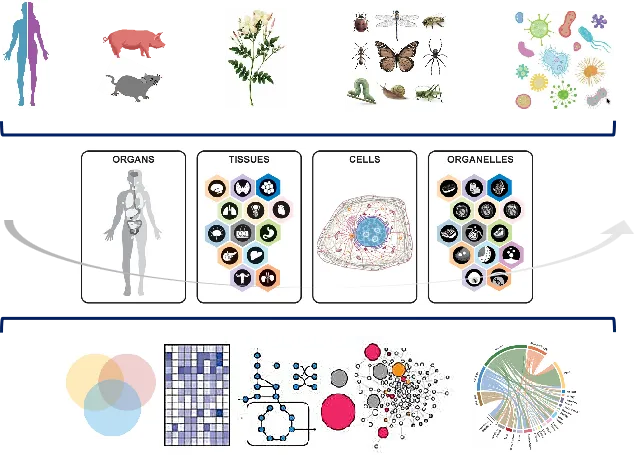
1.Proteome and PTM Atlas Construction
Designed for large-scale atlas-level research, the platform supports comprehensive proteome and PTM atlas construction across multi-organ, multi-species, multi-tissue, pan-cancer, single-cell proteomics, and database-scale studies.
2.Single-Cell Proteomics Research
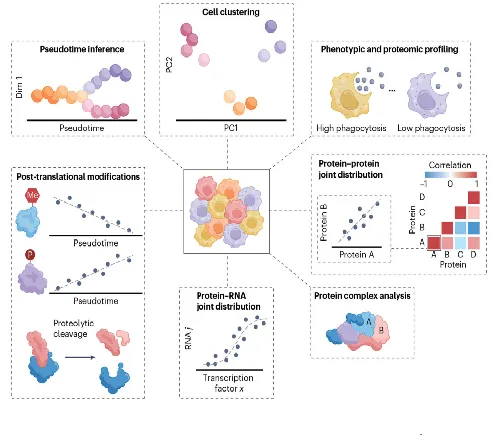
By integrating microfluidic single-cell sorting with cell proteomics, PTM BIO enables high-throughput single-cell isolation and low-loss sample preparation, making protein-level analysis at single-cell resolution truly achievable.
3.Spatial Proteomics Research
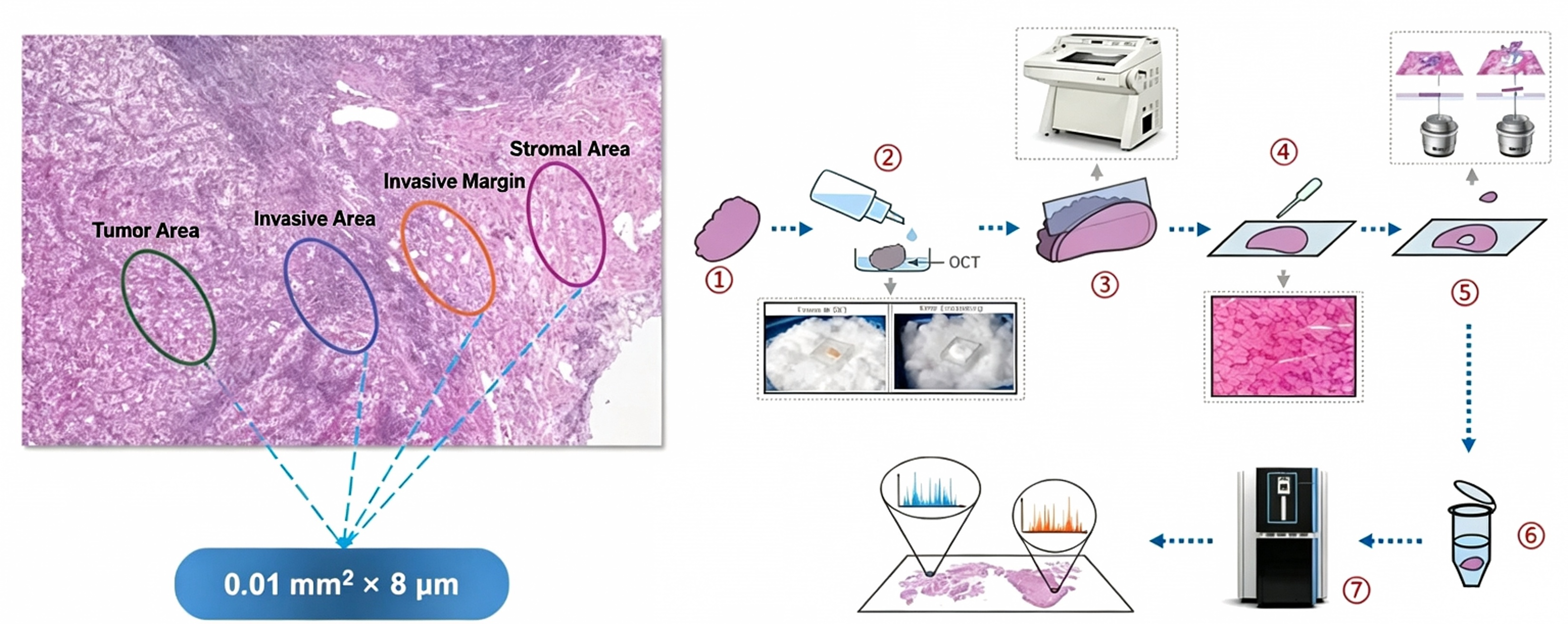
PTM BIO offers a one-stop spatial proteomics solution, integrating tissue sectioning, LCM-based precise microdissection, mass spectrometry analysis, and bioinformatics interpretation.
By combining LCM with Proteomics, the platform enables high-sensitivity spatial proteome and phosphoproteome profiling from defined cellular-level regions, supporting disease mechanism studies, target discovery, drug efficacy evaluation, and biomarker screening.
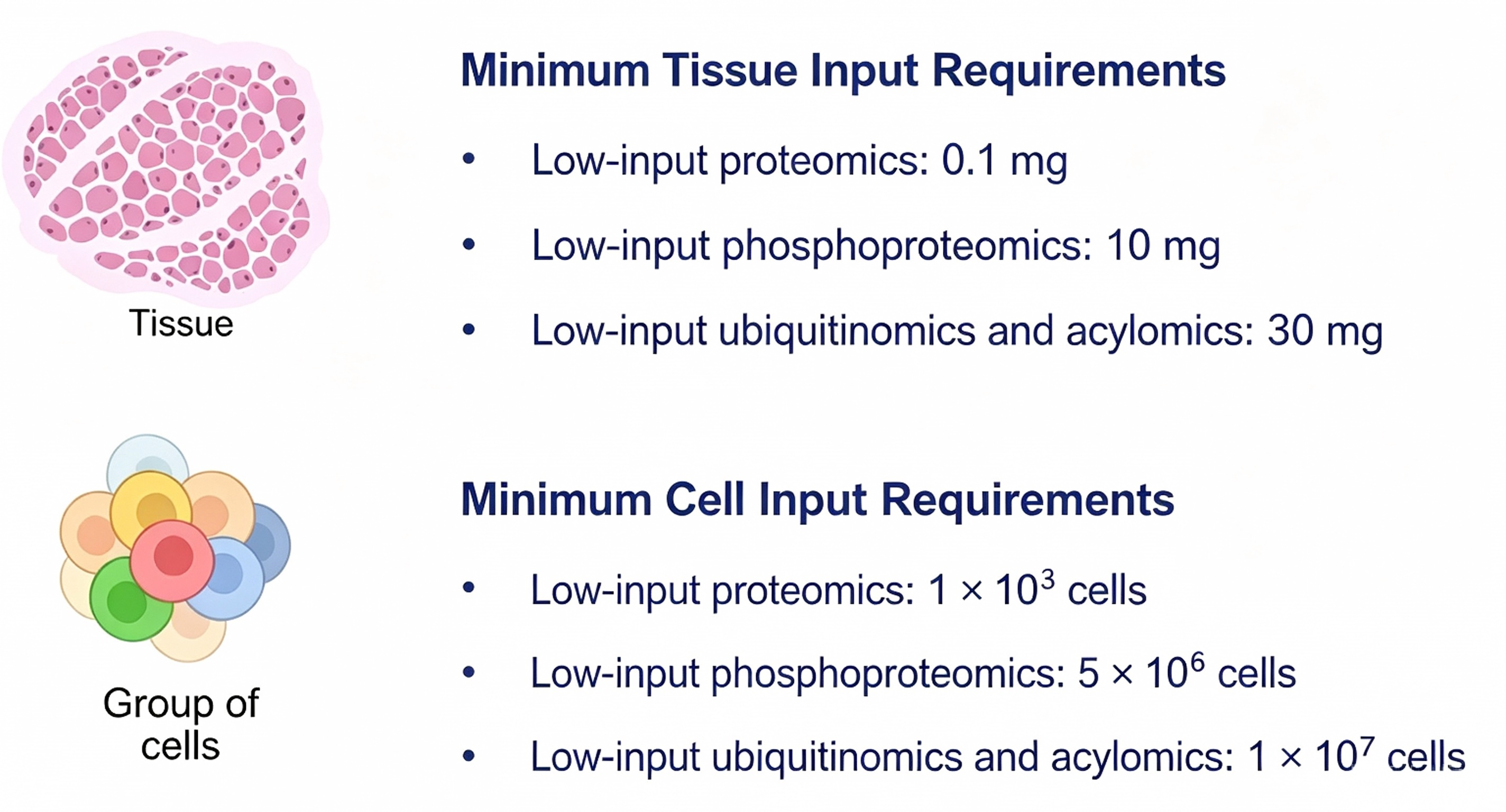
PTM BIO enables low-input proteomics and PTMomics analysis for precious and limited samples.
The platform supports comprehensive analysis of protein expression and multiple PTMs, including lactylation, phosphorylation, acetylation, ubiquitination, succinylation, crotonylation, β-hydroxybutyrylation, and 2-hydroxyisobutyrylation, making it highly suitable for clinical biopsies, mouse disease models, small organs, low-input cell samples, and subcellular compartments.
1.Cell Metabolism | Lipid-induced granules in hepatocytes alleviate liver fibrosis | DOI: https://doi.org/10.1016/j.cmet.2025.12.015
Interested in our services
Contact our experts to provide further information