



Interested in our services
Contact our experts to provide further information




Protein phosphorylation is one of the most prevalent and functionally important post-translational modifications. Nearly all cellular signaling pathways are precisely regulated by phosphorylation, and kinase inhibitors have been widely used in clinical practice. Therefore, investigating phosphorylation within its spatial context is of great significance for gaining deeper mechanistic insights and advancing clinical applications.
Leveraging extensive experience in technology development and project execution, PTM BIO has continuously overcome technical challenges and optimized experimental workflows to launch its proprietary Spatial Phosphorylation Proteomics service. By integrating spatial phosphorylation proteomics with spatial proteomics, our spatial multi-omics strategy opens up new possibilities for characterizing spatially resolved molecular features and identifying potential molecular targets.
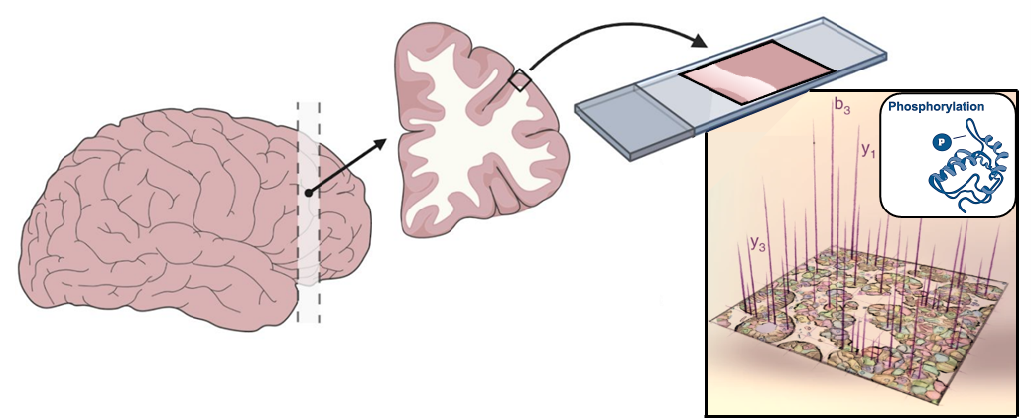
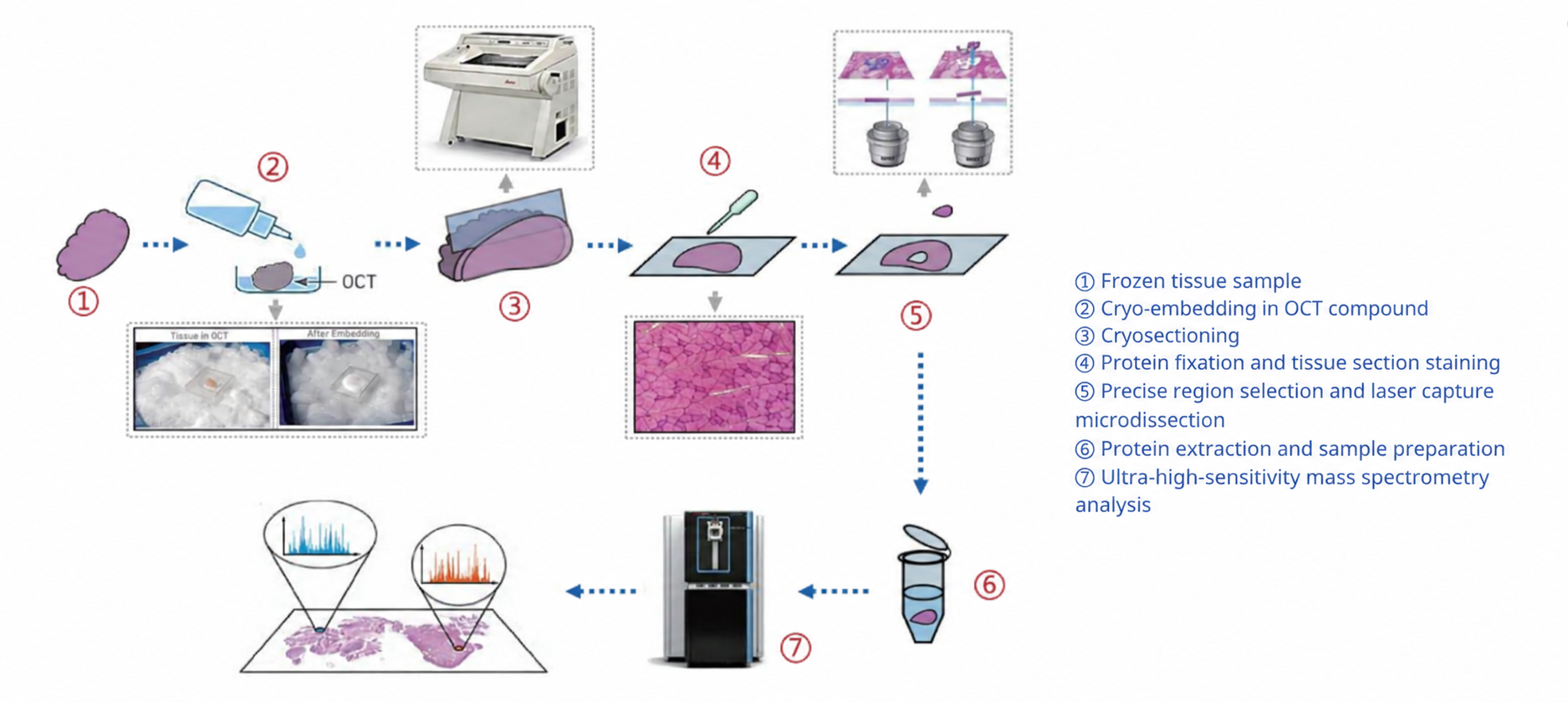
1.Compatible with Diverse Sample Types
PTM BIO’s spatial proteomics workflow supports multiple sample formats, including FFPE, OCT-embedded tissues, fresh-frozen sections, FFPE sections, and microdissected samples. The platform is compatible with H&E staining by default, with IHC/IF staining available after evaluation. Combined with LCM and microscopy-assisted microdissection, it provides flexible solutions for spatial omics studies.
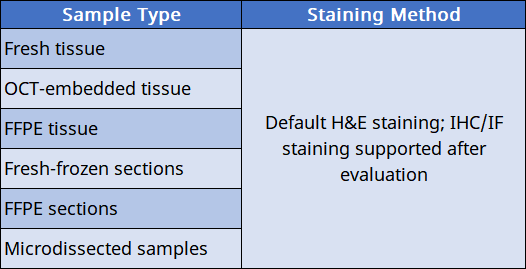
Figure 3. Sample Submission Guide for Spatial Proteomics
2.High-Performance Mass Spectrometry Platforms
PTM BIO integrates advanced high-resolution mass spectrometry platforms, including the latest Orbitrap systems, to enhance sample throughput, proteome coverage, sensitivity, and quantitative accuracy. Combined with spatial omics workflows and PTM BIO’s proprietary PTM technologies, the platform delivers high-performance support for spatiotemporal proteomics research.
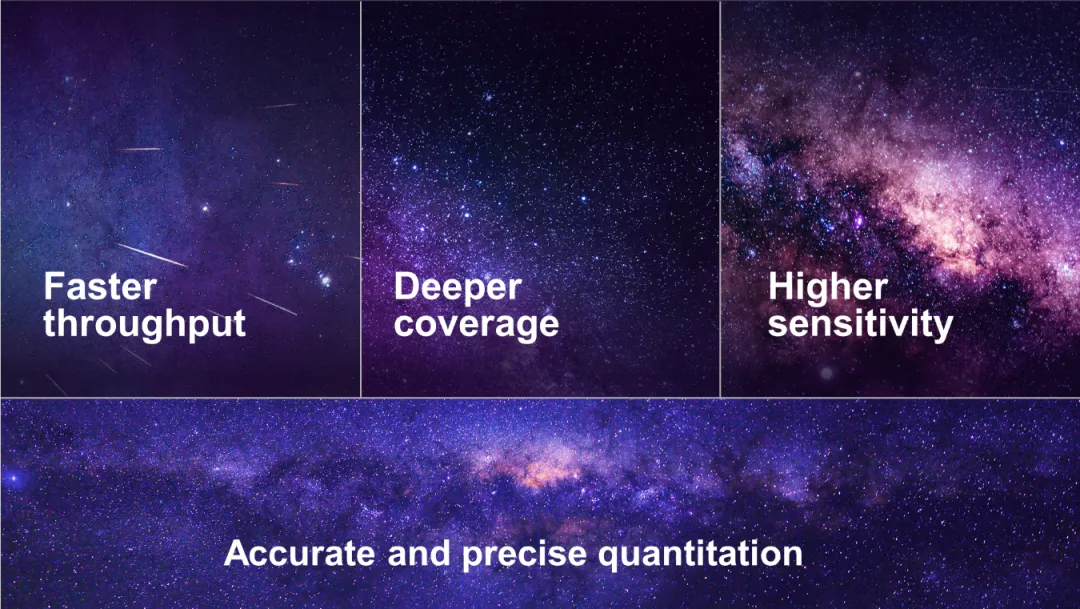
Figure 4. Next-Generation Mass Spectrometry Platforms Enhance Proteomics Performance
3.Complete Hardware Infrastructure
PTM BIO is equipped with Leica cryostats, digital slide scanning systems, and ZEISS laser capture microdissection systems, enabling a one-stop spatial proteomics workflow from sample preparation to microdissection and proteomics analysis.
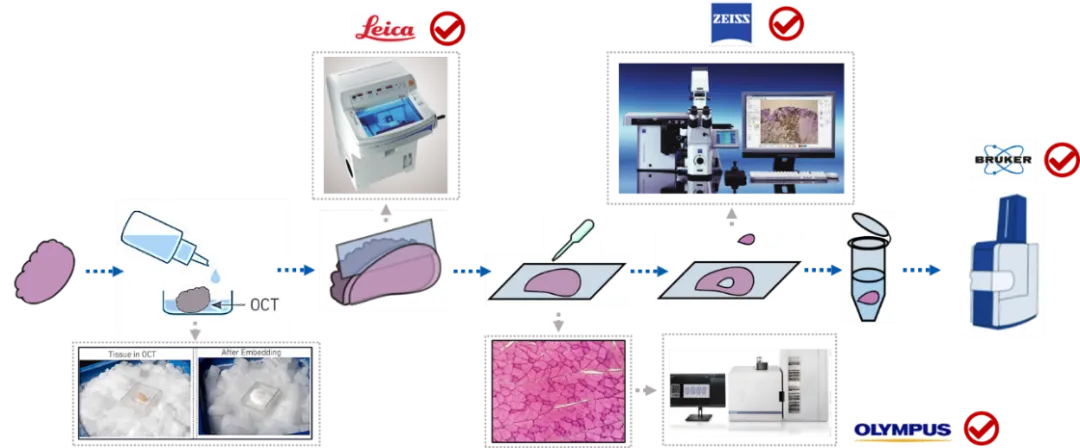
Figure 5. PTM BIO Hardware Infrastructure and Spatial Proteomics Workflow
4.Cell-Level Customized Microdissection
By combining H&E/IHC/IF staining-based tissue recognition with LCM, PTM BIO can accurately isolate user-defined cell populations from selected regions of interest. With a resolution of 0.005–0.01 mm², the platform supports cell-level customized microdissection for highly precise spatial proteomics studies.
5.High Detection Depth
Powered by ultra-high-sensitivity mass spectrometry, PTM BIO’s Spatial DIA technology enables deep spatial proteome and Phosphorylation Proteomics profiling, with up to 6,000+ spatial proteins and 5,000+ spatial phosphosites identified, delivering high-depth, high-precision, and highly reproducible spatial molecular landscapes.
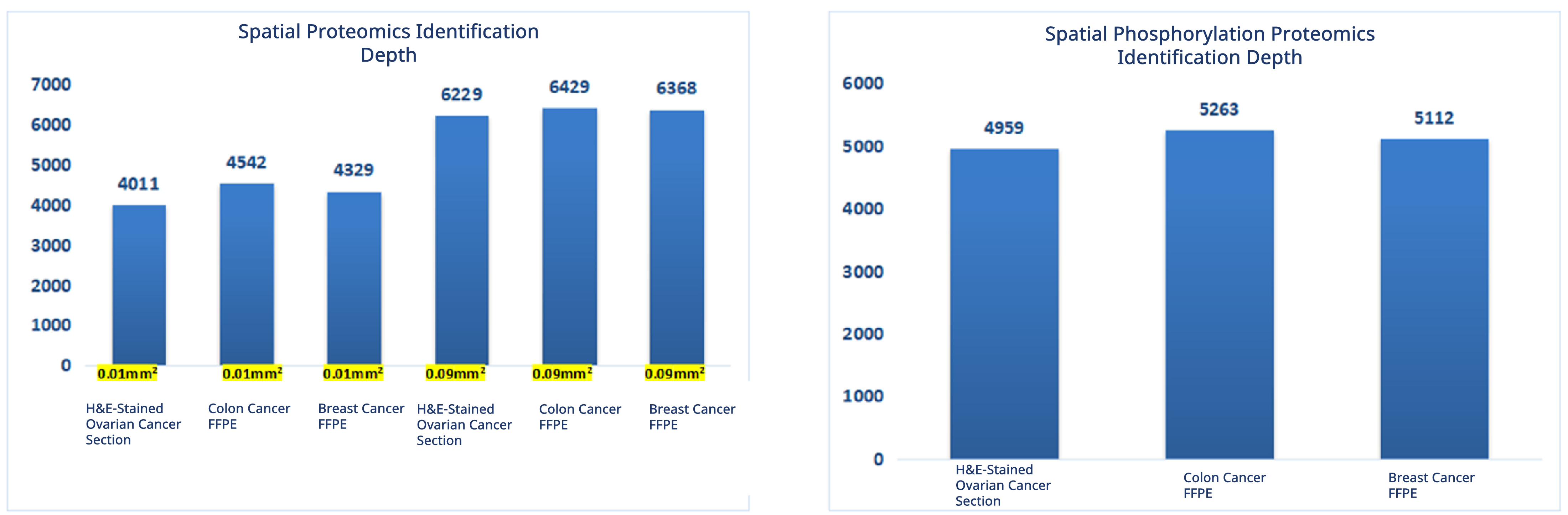 Figure 6. Identification Depth of PTM BIO Spatial Proteomics and Spatial Phosphorylation Proteomics
6.High Reproducibility
PTM BIO applies strict quality control across sample preparation and data acquisition. Internal validation using adjacent tissue sections showed Pearson correlations >0.95 among technical replicates, demonstrating excellent reproducibility.
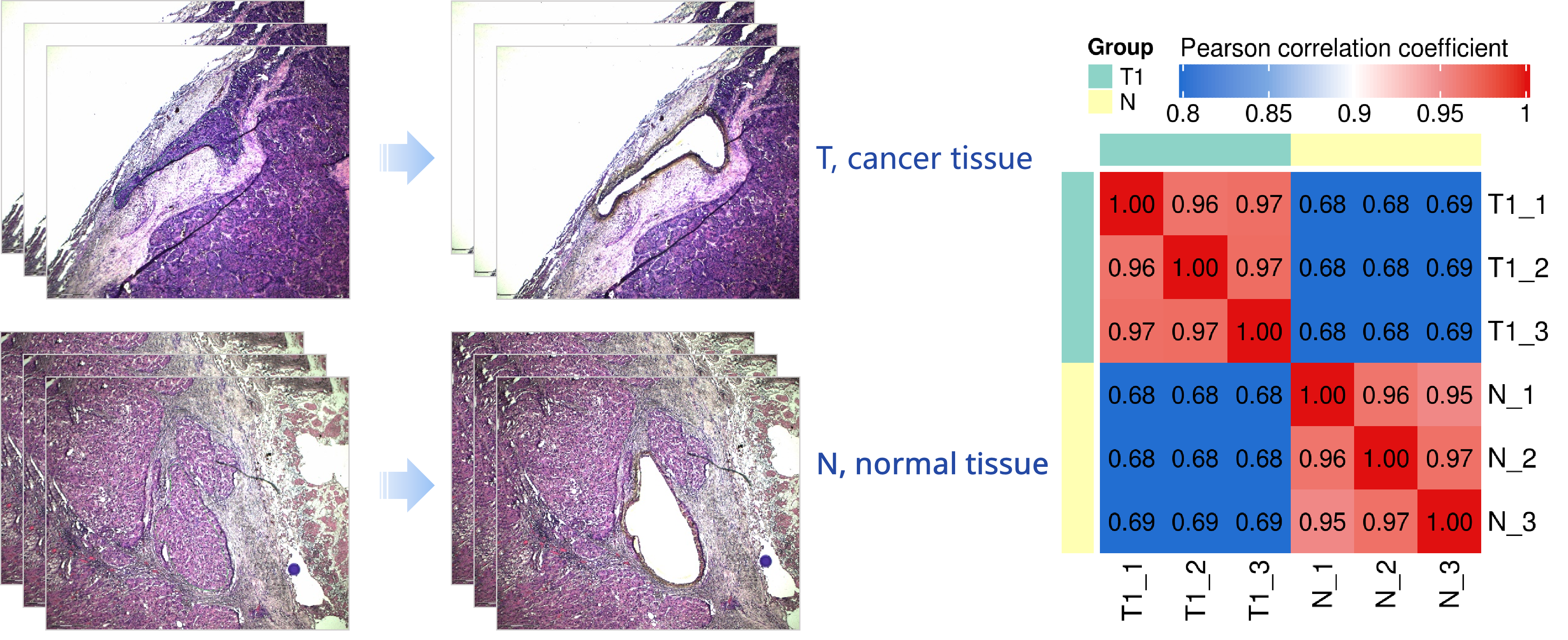 Figure 7. Reproducibility of PTM BIO Spatial Proteomics Data
7.Proven Project Experience
Experienced in complex spatial omics projects.
As one of the earliest companies in China to offer spatial proteomics services, PTM BIO has completed 80+ spatial proteomics projects and processed 700+ microdissected samples, providing reliable support for high-complexity and high-precision spatial omics studies.
PTM BIO provides a high-precision, high-depth, and highly reproducible one-stop spatial proteomics solution powered by advanced instrumentation and extensive project experience.
Together with PTM BIO’s pioneering spatial phosphorylation proteomics platform, this solution enables deeper insights into protein function, regulatory mechanisms, disease progression, and potential therapeutic opportunities.
Interested in our services
Contact our experts to provide further information